
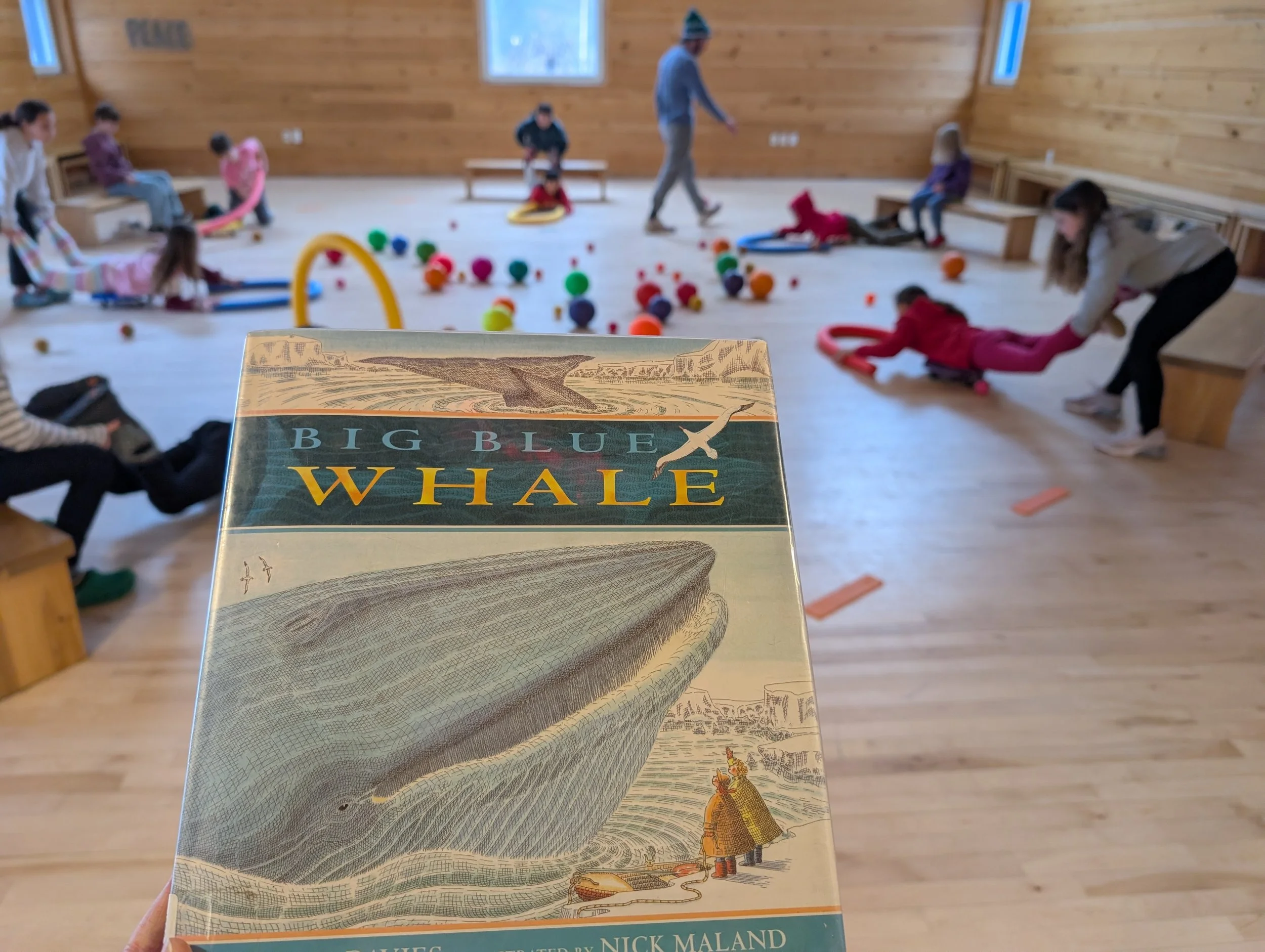
Pictured above: The games and book combinations are endless in Billy’s Physical and Stewardship Education classes at FSP.
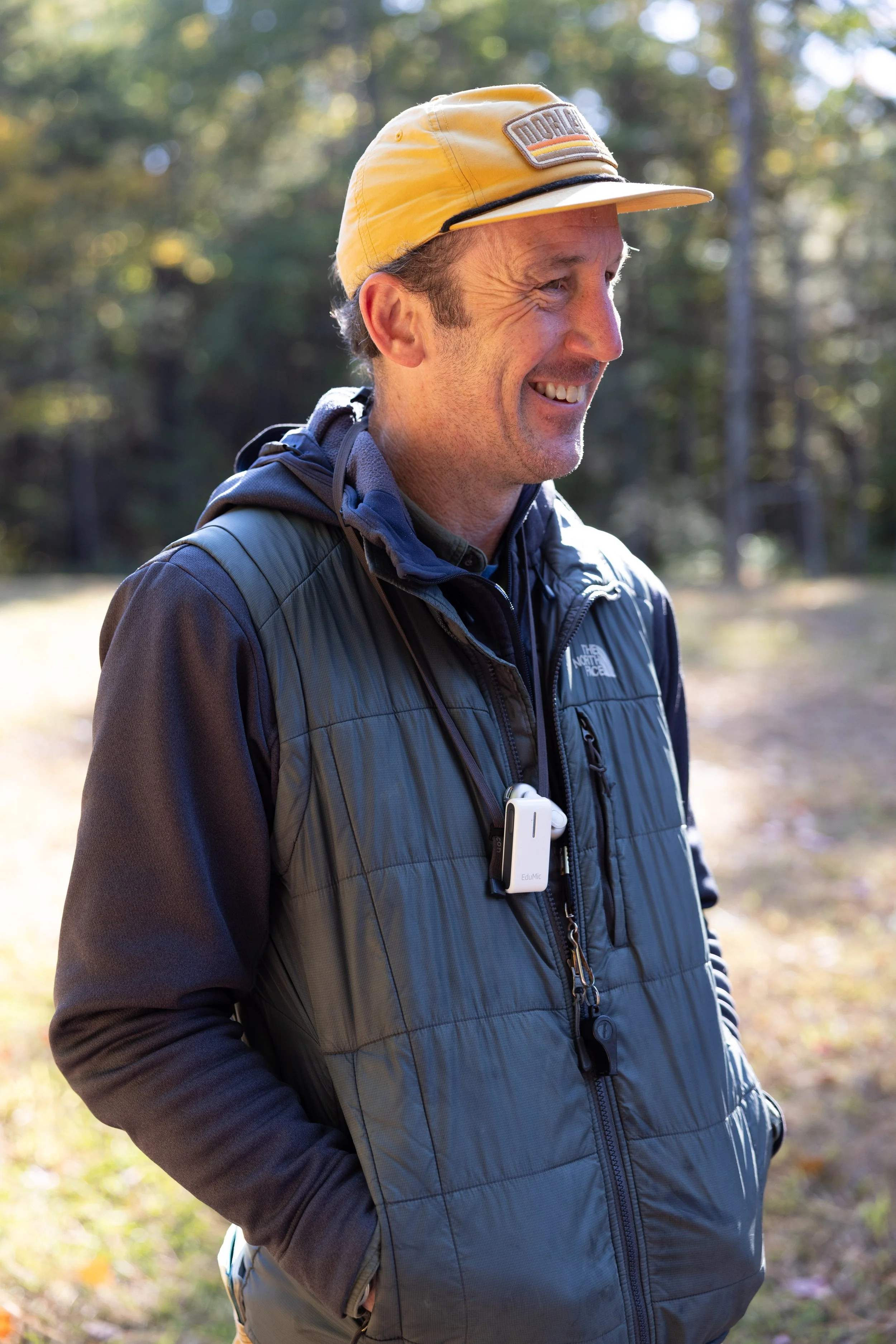
Physical and Stewardship Education (PSE) Teacher Billy recently attended the Maine Association for Health, Physical Education, Recreation and Dance (MAHPERD) conference. Afterward, he sat down with Jen Willis, Interim Director of Studies and Student Support, to reflect on the experience and share some of his learning.
Jen: For folks who aren't familiar with the Maine Association for Health, Physical Education, Recreation and Dance (MAHPERD), can you tell us a little about the organization and the annual conference you recently attended?
Billy: It is a gathering of mostly physical education teachers, as well as people who work with students in areas like health education, guidance, and outdoor education. The conference offers a variety of workshops that are run out of ballrooms and, even though not all of the workshops are super active, there is a lot of overstimulation and even some balls bouncing off chandeliers.
Jen: Were there any specific sessions or workshops that you found to be especially relevant or informative as you consider your work here at FSP?
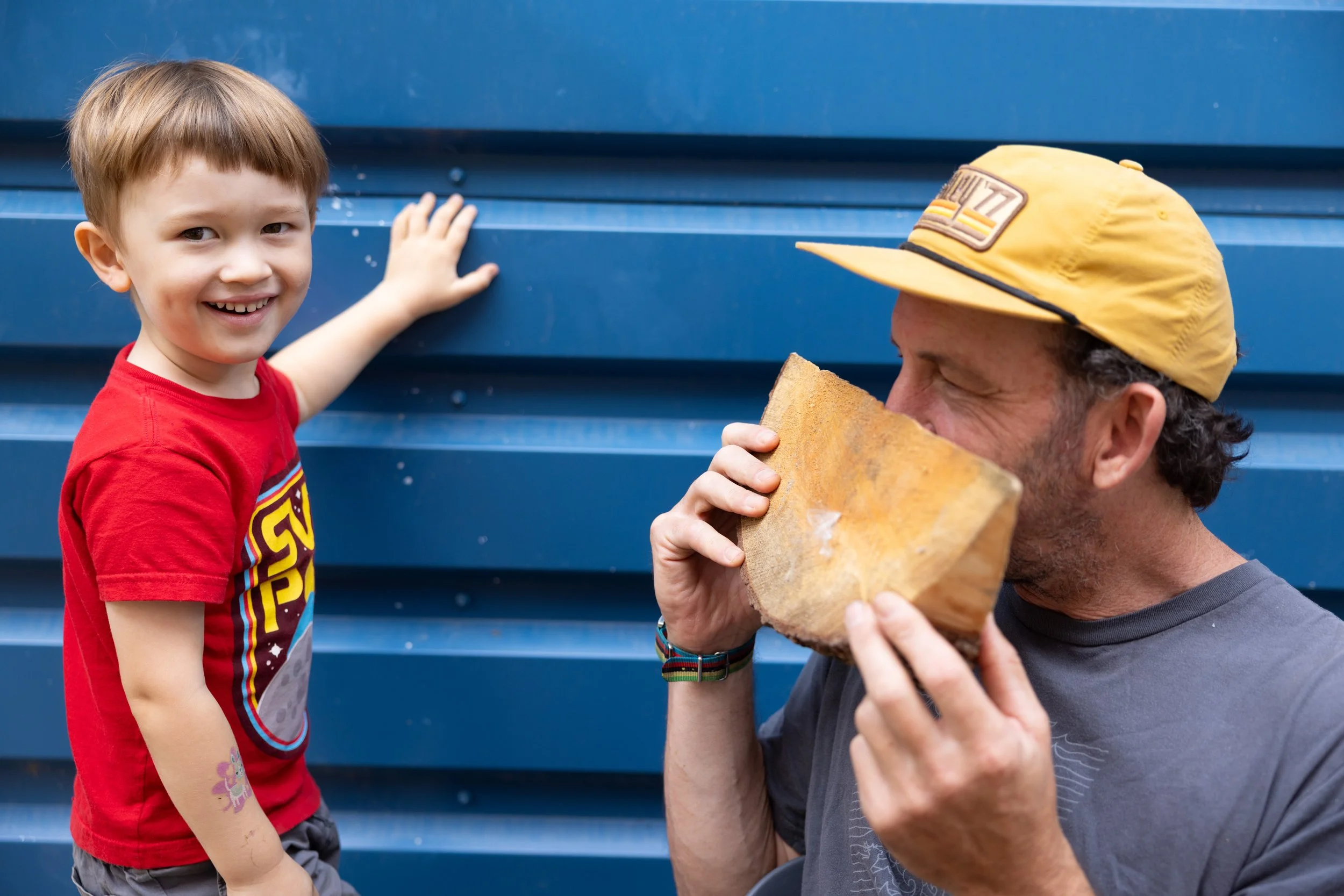
Billy: It was a two-day conference with hour-long workshops, which means participants got to attend a lot of different workshops. I went to one called “Digital Wellness Lab,” which was hosted by Boston Children’s Hospital. The workshop focused on how teens navigate sex, relationships, and social media. I also attended "Mental Skills Training: Using Imagery in Sport and Physical Education” that offered tools for using positive self-talk strategies in sport and PE. The “Stress Management for All Ages” workshop covered five mindfulness activities and applications for kids in school in the physical education setting. I found that this year I gravitated more towards workshops that might help me think about ways to structure class with more focus on Inquiry and Reflection, and less on the Action. I think PSE can lean more on the Action side of things for our students, so I saw the workshops that focused on managing stress and mindfulness activities as ways to help build a structure where kids can come down a little in the 60-minute timeframe of PSE class.
Jen: Did you come back to FSP with any new ideas for learning activities and/or games?
Billy: I’ve been thinking about how we sometimes do a map unit with students and teaching map concepts detailing topographical lines, trails, creeks, even elevation, and adding coloring or other relaxing components for students to thoughtfully, intentionally have more quiet time as part of that period. I am thinking about ways to both speed students up during PSE time as well as ways to slow them down, like through breathing, stretching, and ways to be more mindful.
Jen: If an alum came back and joined a PSE class in 2026, are there games or activities that they would remember? Anything they would be surprised to learn is now part of the PSE curriculum/experience?
Billy: They would still see Zombie Tag around Halloween. Billy Ball - which I learned from my friend Pat( formerly Pat Ball) - and Red Alert are also still alive and well for current FSP students. I definitely try to come up with new games. A current favorite is Lord of the Rings, which involves pool noodles and squish balls, and has resulted in a good way for students - especially new students - to learn the trails on campus. Lord of the Rings also offers important opportunities for students to work on being in a group. They have some independence to explore campus as a group with new friends. If anyone remembers Arrow Stalking Hide + Go Seek, there are some overlapping skills between the two games. Both are group challenges that require students to make decisions on the fly and make choices under pressure.
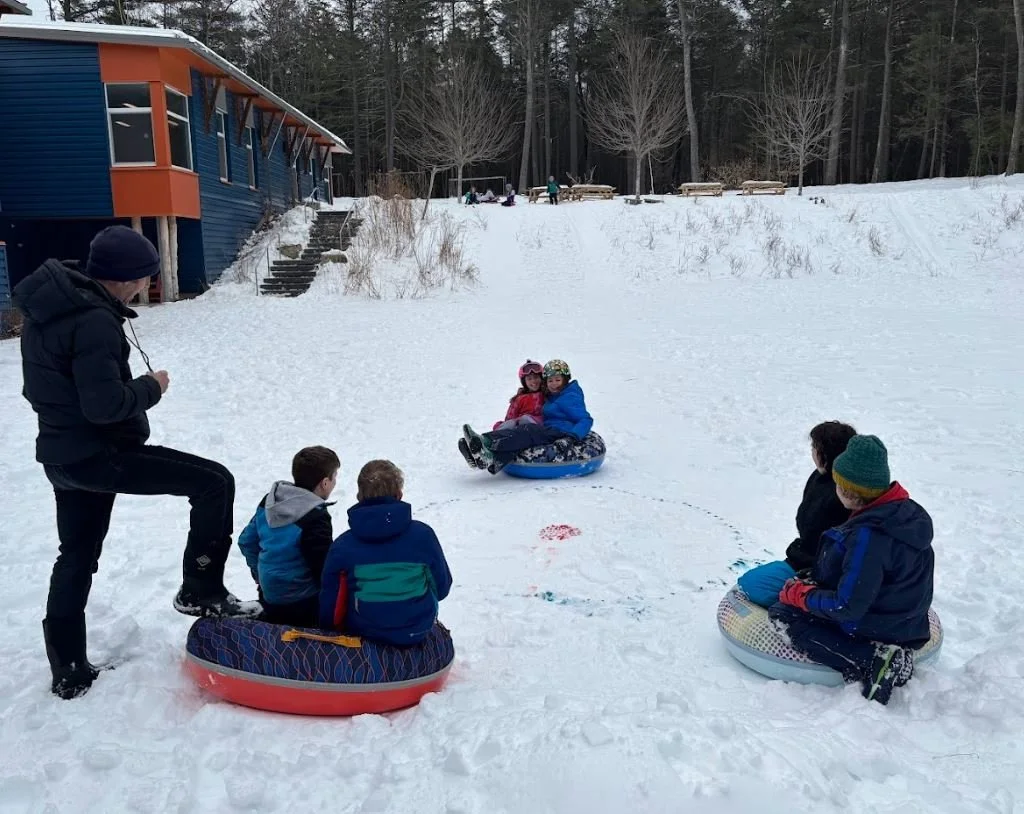
Pictured above: Human curling is a popular PSE game when the weather gets just right!
Jen: What are you looking forward to as we head into the winter months?
Billy: Throughout the fall we have taken a lot of woods walks, which naturally provide a range of ways for students to engage during the time. Some students run ahead and stay very active, while others create a more peaceful experience for themselves. While we certainly spend lots of time outdoors in the winter, the reality of having more classes indoors demands a more intentional structure. I want to build an atmosphere that maintains a certain level of activity and still offers a range of engagement. I do look forward to the winter, but our activities always depend on what nature brings us. If that is snow, we can do human curling. For younger students, I look forward to Fox + Geese, which requires us to walk a big wagon wheel through the snow, creating space for a great game of tag. Our trails change in the winter and I’m always excited to see what the weather brings.
Jen: Thank you so much, Billy!
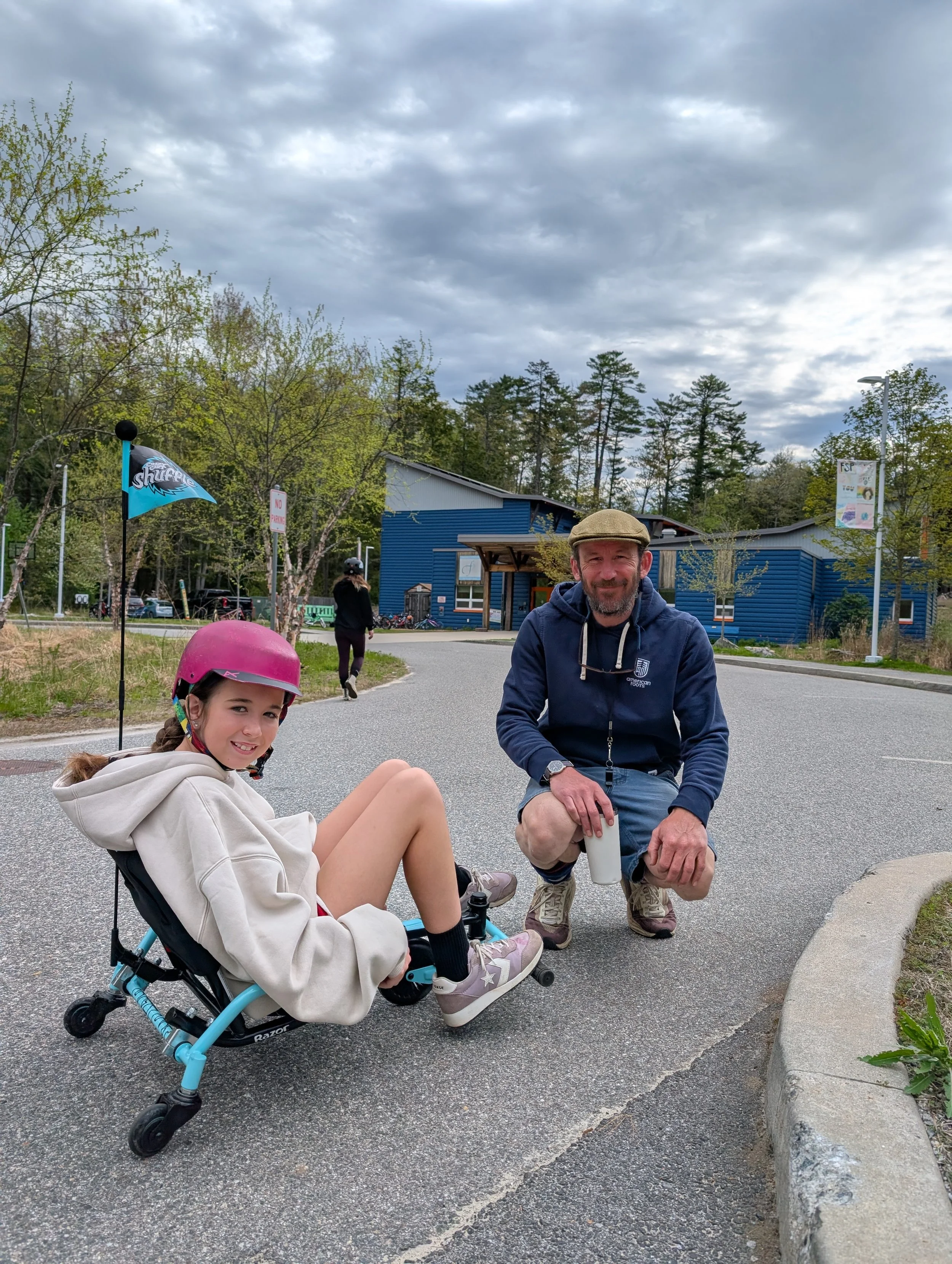
Pictured above: Wheel Fun Days pictured above are a beloved tradition that Billy organizes every Spring. Thank you!